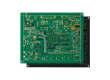
Revolutionizing Electronics: Printed Circuit Boards

Introduction
Printed Circuit Boards (PCBs) are the unsung heroes of the electronic world, silently orchestrating the complex symphony of connections that power our devices. At the heart of every electronic system, from the simplest to the most advanced, PCBs provide the necessary infrastructure for components to communicate and function together. Nowadays,PCB manufacturing processes, applications, and the trends that are shaping the future of the PCB industry.
1. Types of PCBs
The diversity of PCBs is a testament to the versatility and adaptability of electronic design. Each type serves a specific set of requirements, ensuring that the right board is available for any application.
Single-sided PCBs: These boards are the most straightforward, with all components mounted on one side and conductive traces on the other. They are cost-effective and suitable for simple circuits but lack the complexity handling of their multi-layer counterparts.
Double-sided PCBs: Offering more complexity, these boards feature components and traces on both sides, connected internally by through-hole vias. This design allows for a higher component density and more intricate circuitry.
Multi-layer PCBs: By far the most complex, multi-layer PCBs stack multiple layers of conductive pathways, separated by insulating layers. This design enables high-speed signal transmission and reduces signal interference, making them ideal for high-performance electronics.
Rigid PCBs: These are the standard, non-flexible boards that form the backbone of most electronic devices. Their rigid structure provides stability and ease of manufacturing.
Flexible PCBs: As the name suggests, these boards can bend without breaking, offering designers the freedom to create flexible and compact devices. They are often found in wearable technology and space-constrained applications.
Rigid-Flex PCBs: Combining the best of both worlds, rigid-flex PCBs integrate rigid and flexible sections, allowing for a mix of rigid stability and flexible adaptability within a single board.
2. Manufacturing Process
The manufacturing of PCBs involves several critical steps that require precision and expertise.
Design and Layout: Engineers use sophisticated software to map out the board’s architecture, ensuring all components and connections are correctly placed. This phase is crucial, as it determines the board’s performance and functionality.
Photoplotting: The digital design is transferred onto a photosensitive film, which serves as a mask for the copper-clad board. This step is where the precision of the design is first physically realized.
Etching: The exposed copper areas are etched away, leaving behind the conductive traces that form the circuitry. This is a delicate process that requires careful control to ensure the accuracy of the traces.
Drilling: Holes are drilled for through-hole components or vias, which connect different layers of the board. The accuracy of these holes is critical for the board’s electrical performance.
Solder Mask Application: A green solder mask is applied to the board, providing protection against short circuits and solder bridges. This layer also contributes to the board’s longevity by protecting the copper from oxidation.
Silk Screening: The final step in the manufacturing process involves applying a layer of ink, known as silk screening, which identifies components and their positions. This visual aid is invaluable during assembly and maintenance.
3. Applications
PCBs are the lifeblood of modern electronics, finding applications in a wide array of devices and industries.
Smartphones and Computers: In these devices, high-density, multi-layer PCBs are essential for compact designs. They enable the integration of a vast number of components into a small form factor, driving the trend towards thinner and more powerful devices.
Medical Devices: The reliability and precision of PCBs are critical in medical devices, where lives often depend on the device’s performance. Advanced PCB manufacturing techniques ensure that these devices meet the highest standards of safety and reliability.
Automotive Industry: As vehicles become more technologically advanced, the use of PCBs in control systems, infotainment, and safety features increases. The automotive industry’s shift towards electric and autonomous vehicles further amplifies the importance of robust and reliable PCBs.
Aerospace: In the aerospace industry, the stakes are high, and the need for high reliability and resistance to harsh environments is paramount. PCBs used in aerospace applications must withstand extreme temperatures, vibrations, and other challenging conditions.
4. Industry Trends
The PCB industry is at the forefront of technological innovation, with several trends shaping its future.
Miniaturization: As consumer demand for smaller, more powerful devices grows, PCBs must accommodate more components in less space. This trend drives the development of higher-density interconnect technologies and new materials that can handle the increased complexity.
Environmental Concerns: There is a growing focus on sustainability within the industry. Manufacturers are increasingly adopting greener practices, such as using lead-free solders and recycling materials, to reduce the environmental impact of PCB production.
High-Speed Data Transmission: With the rise of high-speed data and the internet of things (IoT), there is a need for PCBs that can support faster data rates. Advances in materials science and design are enabling the development of PCBs that can handle these increased speeds without signal degradation.
3D Printing: Additive manufacturing, or 3D printing, is emerging as a potential game-changer in PCB manufacturing. It offers the possibility of rapid prototyping and the ability to create complex structures that traditional manufacturing methods cannot achieve.
Conclusion
PCBs are not just components; they are the foundation upon which modern electronics are built. Their evolution mirrors the progress of technology itself, with each advancement in PCB technology enabling new possibilities in electronics. As we look to the future, the industry’s focus on sustainability, miniaturization, and performance will ensure that PCBs continue to play a central role in the technological advancements that shape our world. The journey from a simple concept to a complex, high-performance PCB is a testament to human ingenuity and the relentless pursuit of progress in the field of electronics.