Electronic Assembly Service: A Comprehensive Guide
Introduction
Electronic Assembly Service plays a crucial role in modern manufacturing, enabling the efficient production of a wide range of electronic products, from consumer devices to industrial equipment. This service involves assembling various electronic components, including printed circuit boards (PCBs), into fully functional products. In today’s rapidly advancing technological world, the demand for reliable electronic assembly services has never been greater. Companies like Shenzhen PCBWDX Electronic Ltd have established themselves as leaders in providing high-quality assembly solutions to meet the growing needs of businesses worldwide. This article will delve into the different types of electronic assembly services, their significance, and the key factors businesses should consider when selecting an assembly partner.
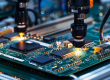
Electronic assembly services refer to the process of assembling electronic components onto PCBs to create complete electronic devices. This process involves several steps, including soldering, inspection, and testing, to ensure that the assembled products meet the required specifications and quality standards. Electronic assembly services can range from simple assembly tasks to complex and high-precision assembly processes, depending on the requirements of the final product.
What is Electronic Assembly Service?
Electronic assembly service refers to the process of integrating and assembling electronic
components into finished products. These services are essential across
industries such as telecommunications, medical devices, automotive, consumer
electronics, and more. The assembly process ensures that all the necessary
components work together, transforming raw materials into market-ready devices.
As a company with extensive expertise in the field, Shenzhen WDX Electronic Ltd
offers a full range of assembly services, ensuring that every project meets the
highest standards of quality and efficiency.
Types of Electronic Assembly Services
There are several key types of electronic assembly services, each suited to different manufacturing needs:
1.Surface Mount Technology (SMT) Assembly
Surface Mount Technology (SMT) is one of the most widely used methods in
electronic assembly. Components are mounted directly onto the surface of the
PCB without requiring holes. SMT enables high-density designs, making it ideal
for modern electronic devices like smartphones, laptops, and wearables. SMT
offers benefits such as lower production costs and improved performance. Shenzhen
WDX Electronic Ltd excels in SMT assembly, utilizing advanced
equipment and techniques to deliver precision and quality.
2.Through-Hole Technology (THT) Assembly
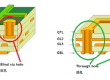
Through-Hole Technology (THT) is a traditional method where components are
inserted into holes drilled into the PCB. These components are then soldered to
pads on the other side of the board. Although THT is labor-intensive, it
remains important for applications requiring strong mechanical connections,
such as industrial equipment or automotive electronics. Shenzhen WDX
Electronic Ltd provides reliable THT services, ensuring durable and
robust assemblies for demanding applications.
3.Mixed Technology Assembly
Some products require both SMT and THT methods due to the nature of the
components involved. Mixed technology assembly integrates these two approaches,
allowing for greater flexibility in product design and functionality. This
hybrid approach is often seen in advanced devices that need varied component
sizes and functionalities. With a wealth of experience, Shenzhen WDX
Electronic Ltd offers expert mixed technology assembly, providing
versatile solutions for complex projects.
4.Box Build Assembly
Beyond just PCB assembly, box build assembly involves constructing a complete
electronic product, including the enclosure, cabling, and other peripherals.
This service is vital for companies looking to outsource the entire product
manufacturing process from assembly to packaging. PCBWDX
Electronic Ltd specializes in box build services, delivering fully
integrated products ready for market.
5.Testing and Quality Assurance
Testing is an essential part of any electronic assembly service. Assembly
providers perform various tests, including functional testing, in-circuit
testing, and burn-in testing, to ensure that assembled products operate as intended.
This step is crucial for identifying any defects or issues before products are
shipped to customers. Shenzhen WDX Electronic Ltd prioritizes
rigorous testing and quality assurance to ensure all products meet stringent
standards before delivery.
The Importance of Electronic Assembly Services
Electronic assembly services are vital to the manufacturing ecosystem for a multitude of reasons.
By leveraging specialized assembly services, businesses can focus on their core
competencies while benefiting from the expertise and resources of their
assembly partners.
1. Cost Efficiency
One of the most
significant advantages of outsourcing electronic assembly services is the cost
savings. By partnering with a specialized provider, companies can reduce labor,
equipment, and infrastructure costs associated with in-house assembly. Assembly
providers like Shenzhen WDX Electronic Ltd have optimized
processes and economies of scale, allowing them to offer competitive pricing
without compromising on quality.
2. Access to Advanced Expertise
Electronic assembly
service providers have the expertise and technical skills necessary to meet the
stringent demands of modern electronics manufacturing. Their teams are often
comprised of highly trained engineers and technicians who are well-versed in
the latest assembly techniques and technologies. This expertise ensures
products are assembled to the highest standards, reducing the risk of defects
and product failures. Shenzhen WDX Electronic Ltd boasts a
highly skilled team dedicated to delivering cutting-edge assembly solutions.
3. Focus on Core Business
Outsourcing electronic
assembly allows companies to concentrate on their core areas, such as product
design, marketing, and sales. By delegating the complex and labor-intensive
task of assembly to a trusted partner like Shenzhen WDX Electronic Ltd,
businesses can streamline operations and improve time-to-market for new
products.
4. Flexibility and Scalability
Electronic assembly
service providers offer flexibility in terms of production volumes. Whether a
company needs to ramp up production to meet sudden demand or scale down during
off-peak periods, assembly partners like Shenzhen WDX Electronic Ltd
can adapt to these changes, ensuring efficient use of resources without the
need for internal adjustments.
Key Factors to Consider When Choosing an Electronic Assembly Service Provider
When selecting an
electronic assembly service provider, it’s essential to evaluate several
factors to ensure the best possible outcome for your project:
1. Industry Experience
The experience of a
service provider can be a critical determinant of success. Choose a provider
with a proven track record in your industry. Whether you’re in
telecommunications, medical devices, or consumer electronics, an experienced partner
will have the necessary insight to handle specific requirements and challenges.
Shenzhen WDX Electronic Ltd has years of experience in
providing electronic assembly services to a wide range of industries.
2. Quality Certifications and Standards
Adherence to industry
standards, such as ISO 9001 and IPC-A-610, is crucial. These certifications
demonstrate a provider’s commitment to quality and excellence in electronic
assembly. The provider should have stringent quality control processes to
ensure the final product meets industry regulations and customer expectations. Shenzhen
WDX Electronic Ltd is committed to maintaining the highest quality
standards and adheres to all relevant certifications.
3. Technological Capabilities
It’s important to assess the technological capabilities of your assembly partner. Advanced
equipment, such as automated pick-and-place machines and reflow soldering
systems, can dramatically enhance assembly speed and accuracy. Providers like Shenzhen
WDX Electronic Ltd, equipped with cutting-edge technology, are better
positioned to handle complex and high-volume production efficiently.
4. Communication and Support
Effective communication
between your business and the assembly provider is essential. A provider that
prioritizes transparency, responsiveness, and regular updates will contribute
to a smoother production process, reducing the risk of delays or
miscommunication. Shenzhen WDX Electronic Ltd is known for its
clear and consistent communication, ensuring seamless collaboration with its
clients.
5. Lead Times and Flexibility
Evaluate the provider’s ability to meet your timeline requirements. Time-to-market is critical,
especially in industries like consumer electronics where product life cycles
are short. Your assembly partner should be able to deliver within the
agreed-upon lead times and accommodate changes in production schedules if
needed. Shenzhen WDX Electronic Ltd prides itself on
delivering on time, no matter the scale of the project.
6. Testing and Quality Assurance
Ensure the provider has comprehensive testing procedures in place. Quality assurance is crucial for detecting any potential defects or issues in the assembly process. A reliable
assembly provider like Shenzhen WDX Electronic Ltd will offer
rigorous testing services to validate the functionality and durability of the
assembled product.
The Future of Electronic Assembly Services
As technology advances,the electronic assembly service industry continues to evolve. Several key trends are shaping the future of the industry:
1. Increased Automation
Automation is transforming the electronic assembly process, reducing human error and
increasing production efficiency. Robotic systems, AI-driven assembly lines,
and automated inspection technologies are becoming standard in high-tech
manufacturing environments. Shenzhen WDX Electronic Ltd is at
the forefront of this automation revolution, consistently investing in advanced
machinery.
2. Industry 4.0 and Smart Manufacturing
The concept of Industry 4.0, which integrates advanced data analytics, IoT, and machine learning, isrevolutionizing the manufacturing landscape. Smart factories equipped with
real-time monitoring systems can optimize production, reduce downtime, and
enhance overall efficiency. Shenzhen WDX Electronic Ltd is embracing these new technologies to stay ahead of the curve in the assembly sector.
3. Sustainability and Eco-Friendly Practices
With growing awareness
of environmental concerns, sustainability has become a priority in
manufacturing. Assembly providers are adopting eco-friendly practices such as
reducing waste, improving energy efficiency, and using recyclable materials. Shenzhen
WDX Electronic Ltd is committed to implementing sustainable practices
in all aspects of its operations.
4. Customization and Rapid Prototyping
As demand for personalized products grows, electronic assembly service providers are focusing
on customization and rapid prototyping capabilities. This allows companies to
quickly test and refine product designs, speeding up the innovation process. Shenzhen
WDX Electronic Ltd offers rapid prototyping services, helping clients bring new products to market faster.
5. Global Supply Chain Management
With globalization, managing supply chains across borders has become increasingly complex. Electronic assembly service providers that excel in navigating global logistics and supply
chain challenges will gain a competitive edge in the market. Shenzhen
WDX Electronic Ltd has a global presence and expertise in managing
international supply chains, ensuring smooth and timely delivery of products.
Benefits of Electronic Assembly Services
Expertise and Precision: One of the primary benefits of electronic assembly services is the expertise and precision that professional assembly providers bring to the table. These providers have the necessary skills, experience, and equipment to handle complex assembly tasks with high accuracy and reliability. This ensures that the final products are of high quality and meet the required specifications.
Cost-Effectiveness: Outsourcing electronic assembly services can be cost-effective for companies, especially those that do not have the in-house capabilities to handle assembly tasks. By leveraging the expertise and resources of assembly service providers, companies can reduce production costs, minimize waste, and optimize resource allocation.
Scalability: Electronic assembly services offer scalability, allowing companies to adjust production volumes based on demand. Whether it’s a small batch production or large-scale manufacturing, assembly service providers can accommodate varying production needs, ensuring timely delivery of products.
Quality Assurance: Professional electronic assembly service providers implement stringent quality control measures to ensure that the assembled products meet the required standards. This includes rigorous inspection and testing processes to identify and rectify any defects or issues, ensuring the reliability and functionality of the final products.
The Electronic Assembly Process
The electronic assembly process typically involves several key steps:
Design and Documentation: The first step in the electronic assembly process is the creation of detailed design files and documentation. This includes schematic diagrams, bills of materials (BOMs), and assembly drawings. Accurate and comprehensive documentation is essential to ensure that the assembly process meets the required specifications.
Component Sourcing: Once the design is finalized, the next step is to source the necessary components and materials. This may involve working with multiple suppliers to obtain the required parts. It is important to select reliable suppliers that can provide high-quality components in the required quantities.
PCB Fabrication: The PCB fabrication process involves the production of the bare PCBs based on the design files. This includes processes such as etching, drilling, and plating to create the necessary circuitry and connections. Specialized equipment and techniques are used to produce PCBs efficiently and accurately.
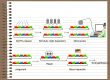
Assembly and Soldering: After the PCBs are fabricated, the next step is to assemble and solder the electronic components onto the boards. This can be done using surface mount technology (SMT), through-hole technology (THT), or a combination of both. The assembly process may involve manual or automated placement of components, followed by soldering to secure the components to the PCB.
Inspection and Testing: Once the assembly is complete, the PCBs undergo inspection and testing to ensure that they meet the required quality standards. This includes visual inspection, automated optical inspection (AOI), in-circuit testing (ICT), and functional testing. These tests help identify any defects or issues with the assembly, such as soldering defects, misaligned components, or electrical faults.
Cleaning and Finishing: After inspection and testing, the assembled PCBs are cleaned to remove any residual flux or contaminants. This is typically done using specialized cleaning equipment and solutions. The final step is to apply any necessary coatings or finishes to protect the PCB and enhance its durability.
Packaging and Delivery: After the cleaning and finishing processes, the assembled PCBs are carefully packaged to protect them during transit. Proper packaging is essential to ensure that the PCBs arrive at their destination in good condition. The final products are then delivered to the customer or integrated into larger systems or devices.
Considerations for Electronic Assembly Services
Design for Manufacturability (DFM): DFM is an important consideration in electronic assembly services. This involves designing the PCB and selecting components in a way that facilitates efficient and cost-effective assembly. DFM considerations include component placement, pad design, and solder mask layout.
Quality Control: Quality control is essential in electronic assembly services to ensure that the final products meet the required standards. This includes implementing rigorous inspection and testing processes, as well as maintaining strict control over the assembly environment and equipment.
Supplier Relationships: Building strong relationships with reliable suppliers is crucial for electronic assembly services. This ensures a consistent supply of high-quality components and materials, as well as timely delivery of parts.
Cost Management: Managing costs is important in electronic assembly services to ensure that the production process remains cost-effective. This includes optimizing the use of materials, minimizing waste, and negotiating favorable terms with suppliers.
In Summary
Electronic assembly services are a vital component of the electronics manufacturing industry, providing the expertise, precision, and scalability needed to produce high-quality electronic devices. By understanding the key steps, methods, and considerations involved in electronic assembly services, businesses can ensure the successful production of reliable and functional electronic products. Whether for small batch production or large-scale manufacturing, electronic assembly services offer the flexibility and quality assurance needed to meet the demands of today’s technology-driven world.