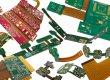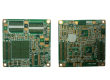
Heavy Copper PCB: Powering High-Current Applications
Introduction
Heavy Copper PCBs (Printed Circuit Boards) play a crucial role in modern electronics, especially in high-current applications. These PCBs are distinguished from standard PCBs by their thicker copper layers, which provide enhanced electrical and thermal performance.
Chapter 1: What is Heavy Copper PCB?
- Definition and Key Characteristics: Heavy Copper PCBs are defined by their thicker copper layers, typically ranging from 3 oz to 20 oz or more. This increased copper thickness allows for higher current carrying capacity and better heat dissipation.
- Applications: Heavy Copper PCBs are used in applications requiring high electrical insulation, mechanical stability, and efficient thermal management.
Chapter 2: Manufacturing Process of Heavy Copper PCB
2.1 Material Selection
- Discuss the selection of substrate materials and copper foil thickness suitable for Heavy Copper PCBs.
2.2 Copper Foil Lamination
- Describe the process of laminating copper foil to the substrate and its impact on quality.
2.3 Circuit Patterning
- Discuss the process of forming circuit patterns on Heavy Copper PCBs through photolithography and etching.
2.4 Drilling and Copper Plating
- Describe the drilling process and how copper plating is used to achieve interlayer connections.
2.5 Lamination and Processing
- Discuss special considerations during the lamination process and how to process heavy copper layers to meet design requirements.
Chapter 3: Design Considerations for Heavy Copper PCB
3.1 Current Capacity
- Discuss how to design trace width and thickness based on current capacity requirements.
3.2 Thermal Management
- Describe thermal management strategies in design, such as trace heat dissipation and heat distribution.
3.3 Electrical Characteristics
- Discuss the electrical characteristics of Heavy Copper PCBs, such as resistance, inductance, and impedance matching.
3.4 Mechanical Stress
- Describe the mechanical stress that heavy copper layers may introduce and how to mitigate these stresses through design.
Chapter 4: Challenges and Solutions for Heavy Copper PCB
4.1 Processing Difficulty
- Discuss the challenges of processing heavy copper layers, such as drilling and lamination.
4.2 Cost Control
- Describe how to control the cost of Heavy Copper PCBs through design optimization and material selection.
4.3 Reliability Testing
- Discuss the reliability and durability testing required for Heavy Copper PCBs.
4.4 Thermal Expansion Coefficient Management
- Explore how to manage the differences in thermal expansion coefficients between heavy copper layers and substrate materials.
Chapter 5: Applications of Heavy Copper PCB
5.1 Power Conversion
- Describe the use of Heavy Copper PCBs in power conversion and distribution.
5.2 High-Power Amplifiers
- Discuss the application of Heavy Copper PCBs in high-power amplifiers, such as audio and RF amplifiers.
5.3 Industrial Control Systems
- Describe the use of Heavy Copper PCBs in industrial control systems, such as motor drives and sensor interfaces.
5.4 Electric Vehicles
- Explore the potential applications of Heavy Copper PCBs in electric vehicles, such as battery management and traction inverters.
Chapter 6: Conclusion
- Summarize the key advantages and considerations for designing and manufacturing Heavy Copper PCBs.
- Emphasize the importance of Heavy Copper PCBs in high-current and high-power applications.
Summary of Heavy Copper PCB Advantages
Heavy Copper PCBs offer several advantages in handling high-current or high-power applications:
- High Current Capacity: Can handle larger current loads, reducing overall operating temperature.
- Reduced Resistance: Lower resistance, reducing electromagnetic interference (EMI) and radiation.
- Mechanical Durability: More resistant to mechanical stress and wear.
- Efficient Thermal Management: Effective heat dissipation.
- Thermal Expansion: Smaller differences in thermal expansion coefficients, reducing stress and cracks during thermal cycling.
- High-Frequency Applications: Reduced skin effect, improving reliability and lifespan of electronic products.