PCB Assembly Offers Global Market and Competitive Insights

1. Introduction
1.1 Definition of PCB Assembly Services
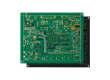
PCB assembly services, also known as printed circuit board assembly services, refer to the precise installation of electronic components onto printed circuit boards. This process involves several delicate steps, including solder paste printing, component placement, reflow soldering, inspection, and testing. PCB assembly is a critical segment in the electronics manufacturing industry, ensuring that the functionality and performance of the circuit boards fully meet the design specifications.
Based on the varying needs and complexities of customers, PCB assembly services are primarily categorized into the following types:
Surface-Mount Technology (SMT): Suitable for installing small electronic components on the surface of PCBs.
Through-Hole Technology (THT): Involves inserting electronic components into drilled holes on the PCB and securing them.
Hybrid Assembly: Combines SMT and THT technologies, suitable for more complex circuit board designs.
1.2 Industry Background and Importance
The PCB assembly services industry is a vital branch of the global electronics manufacturing sector. With the rapid advancement of technology and the increasing demand for high-performance electronic devices, the importance of PCB assembly services has become more pronounced. Here are several key points about the industry background:
Globalization: This is a global industry involving numerous developed and developing countries, forming a vast supply chain network.
Technological Innovation: To adapt to smaller, more complex electronic components and higher performance requirements, PCB assembly services continue to innovate.
Environmental Impact: The chemicals and energy used in the assembly process have certain environmental impacts, making environmental protection and sustainable development important issues for the industry.
Market Competition: As competition intensifies, service providers must offer higher quality and faster services to maintain competitiveness.
PCB assembly services are crucial to the entire electronics industry as they directly affect the quality and reliability of electronic products. High-quality PCB assembly can ensure product performance and longevity, while low-quality assembly may lead to failures and safety issues. Therefore, choosing a reliable PCB assembly service provider is essential for electronic product manufacturers.
2. Market Analysis of PCB Assembly Services
2.1 Global Market Overview
The global PCB assembly services market has shown significant growth trends in recent years. According to market research reports, the global PCB assembly services market size was $58.2 billion in 2023 and is expected to reach $101 billion by the end of 2030, with a compound annual growth rate (CAGR) of 8.33% from 2024 to 2030. This growth is primarily driven by the high demand for electronic products in industries such as automotive, telecommunications, and consumer goods, as well as a focus on technological innovation and research and development.
Geographically, North America, Europe, China, Japan, Southeast Asia, and India are the main markets for PCB assembly services. The demand for PCB assembly services in these regions’ electronics manufacturing businesses is continuously increasing, driving market expansion. Especially in Asia, with its cost advantages and rapid industrialization, it has become an important center for global PCB assembly services.
Key Market Participants
The global PCB assembly services market is highly competitive, with major players including Nortech, Titan Circuits, EuroCircuits, WDXPCB, Journey Circuits, Technotronix, etc. These companies hold significant positions in the market by providing high-quality assembly services, technological innovation, and global presence.
Market Segmentation
The global PCB assembly services market can be segmented based on service types and application fields. By service type, the market can be divided into full turnkey projects, partial turnkey projects, and consignment/shipping services. By application field, the market is segmented into automotive, industrial, telecommunications, medical, aerospace, etc.
2.2 Demand Dynamics and Growth Forecast
The global demand dynamics for PCB assembly services are influenced by various factors, including technological advancements, changes in consumer preferences, globalization, and the complexity of electronic products. Here are some key growth drivers and forecasts:
Technological Development: Technological progress is a key factor driving the growth of the PCB assembly services market. With the application of automation and robotics, the accuracy and efficiency of assembly operations are improved. Additionally, the development of eco-friendly materials and production technologies is also an important trend in the industry.
Miniaturization and High-Density Interconnect (HDI): The consumer demand for smaller, more powerful electronic products drives the miniaturization of PCB assembly services. HDI technology enables more components and functions on smaller circuit boards, a trend that requires PCB assembly services to continuously evolve to adapt to more intricate designs with finer lines and spacing.
Rise of Advanced Materials and Flexible PCBs: The growth in demand for 5G applications and specialized functional PCBs drives the use of high-frequency laminates and other cutting-edge materials to improve signal integrity. At the same time, the demand for rigid-flex and flexible PCBs increases, which can adapt to unusual shapes in devices with limited space, requiring PCB assembly services to enhance their capabilities to accommodate new materials and complex geometries.
Sustainability and Outsourcing: Geopolitical turbulence and environmental issues make electronic outsourcing and sustainable practices increasingly important. PCB assembly service providers are implementing sustainable processes and carefully planning their facilities to meet the demands of using recycled resources and adhering to stricter environmental laws.
Growth Forecast: According to market research, by 2030, the global PCB assembly and manufacturing services market is expected to grow significantly, showing an impressive compound annual growth rate. This growth can be attributed to the increasing demand for PCB assembly and manufacturing services in electronic manufacturing, industrial machinery, and other applications worldwide.
3. Key Players
In the global PCB assembly services market, the competitive landscape is characterized by diversity and internationalization. Here are some of the main players in the market, which have gained significant positions globally through their core competencies and strategic layer:
Nortech: As one of the world’s leading PCB assembly service providers, Nortech is known for its high-quality services and technological innovation. The company has manufacturing bases in multiple countries and regions, capable of providing rapid response and customized services to customers.
Titan Circuits: Titan Circuits is renowned for its expertise in high-density interconnect (HDI) PCB manufacturing, serving multiple high-end markets, including aviation, medical, and defense.
EuroCircuits: EuroCircuits focuses on providing fast-turnaround PCB assembly services for the European market, favored by customers for its flexible production capabilities and rapid response to customer needs.
WDXPCB: WDXPCB holds a place in the industry with its rapid production and delivery capabilities, especially suitable for customers in need of quick prototyping and small-batch production.
Journey Circuits: Journey Circuits is known for its professional capabilities in flexible and rigid-flex PCBs, serving the wearable devices and portable electronics market.
Technotronix: Technotronix is known for its PCB assembly services in high-end markets, particularly in the automotive and industrial control sectors.
These companies have gained significant positions in the global PCB assembly services market through continuous technological innovation, market expansion, and optimization of customer services, driving technological progress and service standard enhancement in the industry.
4. Technological Advancements in Manufacturing
Technological advancements in the PCB assembly services industry are key drivers of market growth. Here are some significant technological advancements in the PCB manufacturing field:
Automation and Smart Manufacturing: With the advancement of Industry 4.0, automation and smart manufacturing technologies play an increasingly important role in PCB assembly services. Automated production lines can increase assembly speed and precision, reduce human errors, and enhance overall production efficiency. Smart manufacturing systems, integrated with sensors and data analysis, enable real-time monitoring and fault prediction, further optimizing production processes.
3D Printing Technology: The application of 3D printing technology in PCB assembly services provides new possibilities for the manufacturing of complex and customized circuit boards. This technology can reduce the time and cost of prototype production, accelerating product development cycles.
Miniaturization and High-Density Interconnect (HDI) Technology: As electronic devices evolve towards miniaturization and high performance, HDI technology becomes an important branch in PCB assembly services. HDI technology allows for the integration of more electronic components in smaller spaces, meeting the needs of high-performance electronic devices.
Flexible and Rigid-Flex PCB Technology: The development of flexible and rigid-flex PCB technologies supports the manufacturing of wearable devices and portable electronic devices. These technologies can adapt to complex design requirements, enhancing the flexibility and durability of devices.
Environmental Materials and Processes: The rise in environmental awareness has driven the use of environmentally friendly materials and processes in PCB assembly services. The application of environmentally friendly technologies such as water-soluble solder paste, lead-free soldering, and recycled materials helps reduce environmental impacts during production.
5. Major Challenges
The PCB assembly services industry faces a multitude of challenges globally, testing the adaptability of businesses and influencing the direction of the entire industry.
Supply Chain Disruptions: Global supply chain disruptions are a major challenge for the PCB assembly services industry. Unpredictable events such as the COVID-19 pandemic, political factors, and natural disasters have severely impacted raw material supply and logistics, leading to project delays and increased costs. According to market research reports, supply chain disruptions are one of the key factors limiting the growth of the PCB assembly services market.
High Capital Investment: PCB assembly services require substantial capital investment, including advanced machinery, skilled labor, and strict quality control processes. These high-cost investments make it difficult for small businesses to compete with large enterprises, limiting the diversification of the market.
Stringent Regulatory Standards: Compliance with international quality standards (such as RoHS, REACH, and IPC) and meeting strict safety and environmental regulations pose challenges for manufacturers. These regulations not only increase production costs but also require businesses to continuously optimize processes to ensure compliance.
Technological Upgrading: The rapid technological updates require PCB assembly service providers to continuously invest in new technologies and training to maintain competitiveness.
Despite the challenges, the PCB assembly services industry also has significant opportunities for sustainable development, which can help the industry achieve long-term growth and environmental responsibility.
Environmental Materials and Processes: The application of environmentally friendly materials and processes is an important opportunity for the PCB assembly services industry. By using lead-free soldering, water-soluble solder paste, and other environmentally friendly materials, businesses can reduce environmental pollution during production and meet market demands for green products.
Nearshore Outsourcing: The trend of nearshore outsourcing provides new growth opportunities for the PCB assembly services industry.
Renewable Energy Solutions: The PCB assembly services industry is involved in the development of solar, wind, and other clean energy technologies. These technologies require highly customized PCBs, bringing new market opportunities for the industry.
Smart Manufacturing and Automation: The application of smart manufacturing and automation technologies not only improves production efficiency and reduces costs but also helps reduce energy consumption and waste generation. The application of these technologies helps the PCB assembly services industry achieve environmentally friendly production methods.
Green Manufacturing Certification: Enterprises with green manufacturing certifications can more easily enter markets with high environmental requirements, securing more projects and customers. This certification not only enhances the brand image of the enterprise but also helps it stand out in competition.
6. Demand and Preferences
In the field of PCB assembly services, quality and reliability are the primary considerations for customers when choosing a PCB assembly service provider. Over 80% of customers indicate that they are willing to pay a higher price for high-quality assembly services. This shows that providing high-quality assembly services is key to meeting customer needs and establishing long-term cooperative relationships. Additionally, rapid response and delivery and customized services are important factors for customers when choosing PCB assembly. If you consider Chinese PCB electronic assembly enterprises, you can gain a significant advantage in terms of cost. For the same quality of PCB assembly services, Chinese PCB manufacturing enterprises are much cheaper compared to PCB manufacturing enterprises in European and American countries. Similarly, WDXPCB’s technical support is also excellent! WDXPCB is a PCB assembly service provider that can offer comprehensive technical support and consulting services. Of course, environmental protection and sustainable development measures also make WDXPCB’s products competitive in the market.
7. Industry Compliance
The PCB assembly services industry is subject to numerous laws and regulations. WDXPCB complies with the International Organization for Standardization (ISO) in terms of product quality, safety, and environmental protection. We have passed the IPC-A-600 (Acceptability Quality Level) and IPC-6012 (Final Inspection Conditions for Rigid Printed Boards) quality assessment standards. As a leader in the PCB industry, WDXPCB has passed UL certification, ISO 14001, IATF 16949, RoHS, and WEEE, always adhering to the above international standards and certifications to ensure our quality and environmental responsibility. At the same time, our company’s products have also passed these certifications, proving the safety of our products. In addition, our company actively participates in the formulation and updating of IPC standards to maintain its leading position in the industry. Through these international standards and certifications, our company not only ensures the quality of its products and services but also wins the trust and support of global customers.