PCB Edge Plating
Introduction
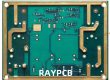
PCB edge plating, also known as edge connector plating or edge finger plating, involves applying a layer of conductive material, usually gold, to the edges of a PCB. This process is essential for creating reliable and durable connections in various electronic devices.
Main Body
Types of Edge Plating: Hard Gold, Soft Gold, etc.
There are several types of edge plating, including hard gold and soft gold. Hard gold plating is more durable and resistant to wear, making it suitable for applications that require frequent connections and disconnections, such as connectors and edge fingers. Soft gold plating, on the other hand, is more malleable and provides better conductivity, making it ideal for applications that require high electrical performance.
Manufacturing Process
The manufacturing process for PCB edge plating involves several steps, including cleaning, masking, plating, and inspection. The PCB is first cleaned to remove any contaminants, and then a masking material is applied to protect the areas that do not require plating. The edge plating is then applied using an electroplating process, where a layer of gold is deposited onto the exposed edges. Finally, the PCB is inspected to ensure the plating is uniform and meets quality standards.
Advantages and Disadvantages
PCB edge plating offers several advantages, including improved durability, reliability, and electrical performance. The gold plating provides a hard and wear-resistant surface, ensuring reliable connections and reducing the risk of corrosion. Additionally, the plating enhances the electrical conductivity of the PCB, improving its overall performance. However, there are also disadvantages, including the higher cost of gold plating and the complexity of the manufacturing process.
Applications in Various Industries
PCB edge plating is used in various industries, including telecommunications, automotive, and consumer electronics. In telecommunications, edge plating is used for connectors and edge fingers, ensuring reliable connections in network equipment. In the automotive industry, edge plating is used for connectors and sensors, providing durable and reliable connections in harsh environments. In consumer electronics, edge plating is used for connectors and edge fingers in devices such as smartphones and tablets, ensuring reliable performance and durability.
Conclusion
Recap of Edge Plating Significance
PCB edge plating is essential for creating reliable and durable connections in various electronic devices.