What are Mixed PCB Assembly Services?
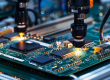
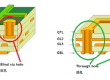
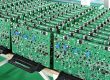
Mixed PCB Assembly services refer to the process of assembling electronic components onto a PCB using both SMT and THT methods. SMT involves mounting components directly onto the surface of the PCB, while THT involves inserting component leads into holes drilled in the PCB and soldering them in place. By combining these two methods, mixed PCB assembly can accommodate a diverse range of components, from small surface-mount devices to larger through-hole components.
Benefits of Mixed PCB Assembly Services
Flexibility: One of the primary benefits of mixed PCB assembly services is flexibility. This approach allows manufacturers to use the most suitable assembly method for each component, ensuring optimal performance and reliability. Mixed assembly is particularly valuable for complex designs that require a combination of surface-mount and through-hole components.
Enhanced Reliability: Mixed PCB assembly services enhance the reliability of electronic devices by providing strong mechanical bonds for larger components and high-density placement for smaller components. Through-hole components are known for their durability and resistance to mechanical stress, making them ideal for connectors, transformers, and other critical parts.
Cost-Effectiveness: By combining SMT and THT methods, mixed PCB assembly services can be cost-effective. Manufacturers can optimize the use of materials and resources, reducing production costs while maintaining high-quality standards. This approach also allows for efficient use of assembly equipment and processes.
Versatility: Mixed PCB assembly services offer versatility, allowing manufacturers to produce a wide range of electronic devices. This approach is suitable for various applications, including consumer electronics, automotive, aerospace, medical devices, and industrial equipment. The ability to accommodate different types of components makes mixed assembly an ideal solution for diverse and complex designs.
The Mixed PCB Assembly Process
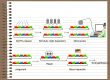
The mixed PCB assembly process typically involves several key steps:
Design and Documentation: The first step in the mixed PCB assembly process is the creation of detailed design files and documentation. This includes schematic diagrams, bills of materials (BOMs), and assembly drawings. Accurate and comprehensive documentation is essential to ensure that the assembly process meets the required specifications.
Component Sourcing: Once the design is finalized, the next step is to source the necessary components and materials. This may involve working with multiple suppliers to obtain the required parts. It is important to select reliable suppliers that can provide high-quality components in the required quantities.
PCB Fabrication: The PCB fabrication process involves the production of the bare PCBs based on the design files. This includes processes such as etching, drilling, and plating to create the necessary circuitry and connections. Specialized equipment and techniques are used to produce PCBs efficiently and accurately.
Surface Mount Technology (SMT) Assembly: The first phase of the assembly process involves mounting surface-mount components onto the PCB. This includes applying solder paste to the PCB using a stencil, placing the components using pick-and-place machines, and reflow soldering to secure the components in place. SMT assembly allows for high-density placement of small components, making it ideal for compact and complex designs.
Through-Hole Technology (THT) Assembly: The next phase involves assembling through-hole components. This includes inserting the component leads into the drilled holes on the PCB and soldering them in place. THT assembly provides strong mechanical bonds and is suitable for larger components that require durability and resistance to mechanical stress.
Inspection and Testing: Once the assembly is complete, the PCBs undergo inspection and testing to ensure that they meet the required quality standards. This includes visual inspection, automated optical inspection (AOI), in-circuit testing (ICT), and functional testing. These tests help identify any defects or issues with the assembly, such as soldering defects, misaligned components, or electrical faults.
Cleaning and Finishing: After inspection and testing, the assembled PCBs are cleaned to remove any residual flux or contaminants. This is typically done using specialized cleaning equipment and solutions. The final step is to apply any necessary coatings or finishes to protect the PCB and enhance its durability.
Packaging and Delivery: After the cleaning and finishing processes, the assembled PCBs are carefully packaged to protect them during transit. Proper packaging is essential to ensure that the PCBs arrive at their destination in good condition. The final products are then delivered to the customer or integrated into larger systems or devices.
Considerations for Mixed PCB Assembly Services
Design for Manufacturability (DFM): DFM is an important consideration in mixed PCB assembly services. This involves designing the PCB and selecting components in a way that facilitates efficient and cost-effective assembly. DFM considerations include component placement, pad design, and solder mask layout.
Quality Control: Quality control is essential in mixed PCB assembly services to ensure that the final products meet the required standards. This includes implementing rigorous inspection and testing processes, as well as maintaining strict control over the assembly environment and equipment.
Supplier Relationships: Building strong relationships with reliable suppliers is crucial for mixed PCB assembly services. This ensures a consistent supply of high-quality components and materials, as well as timely delivery of parts.
Cost Management: Managing costs is important in mixed PCB assembly services to ensure that the production process remains cost-effective. This includes optimizing the use of materials, minimizing waste, and negotiating favorable terms with suppliers.
Conclusion
Mixed PCB assembly services offer a range of benefits for companies looking to produce complex and high-performance electronic devices. By providing flexibility, enhanced reliability, cost-effectiveness, and versatility, mixed assembly is an ideal solution for diverse and intricate designs. By understanding the key steps, methods, and considerations involved in mixed PCB assembly services, businesses can ensure the successful production of reliable and functional electronic products.