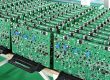
Rapid PCB Prototyping
What is Quick Turn Prototype PCB Assembly?
Quick turn prototype PCB assembly refers to the expedited production of prototype PCBs, typically within a few days to a week. This service is designed to meet the needs of companies that require rapid turnaround times for their prototype boards. Quick turn assembly allows for the fast development and testing of new designs, enabling companies to iterate and refine their products quickly.
Benefits of Quick Turn Prototype PCB Assembly
Speed and Efficiency: The primary benefit of quick turn prototype PCB assembly is speed. By reducing the production time, companies can quickly test and validate their designs, identify any issues, and make necessary adjustments. This rapid iteration process is essential for staying competitive in the fast-moving electronics industry.
Early Detection of Issues: Quick turn prototype PCB assembly allows for early detection of design flaws and manufacturing issues. By producing and testing prototypes quickly, companies can identify and address potential problems before moving to full-scale production. This helps to minimize costly errors and delays in the production process.
Cost Savings: While quick turn services may come at a premium, they can ultimately save companies money by reducing the time and resources spent on lengthy development cycles. Rapid prototyping allows for faster validation of designs, reducing the risk of costly redesigns and rework in later stages of production.
Flexibility and Customization: Quick turn prototype PCB assembly services offer flexibility and customization options to meet the specific needs of each project. Companies can request custom specifications, such as unique board sizes, shapes, and materials, to ensure that their prototypes meet the exact requirements of their designs.
The Quick Turn Prototype PCB Assembly Process
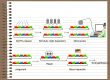
The quick turn prototype PCB assembly process typically involves several key steps:
Design and Documentation: The first step in the quick turn prototype PCB assembly process is the creation of detailed design files and documentation. This includes schematic diagrams, bills of materials (BOMs), and assembly drawings. Accurate and comprehensive documentation is essential to ensure that the assembly process meets the required specifications.
Component Sourcing: Once the design is finalized, the next step is to source the necessary components and materials. Quick turn services often have established relationships with suppliers to expedite the procurement process. It is important to select reliable suppliers that can provide high-quality components in a timely manner.
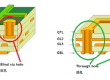
PCB Fabrication: The PCB fabrication process involves the production of the bare PCBs based on the design files. This includes processes such as etching, drilling, and plating to create the necessary circuitry and connections. For quick turn services, manufacturers use specialized equipment and techniques to produce PCBs efficiently and accurately within a short timeframe.
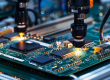
Assembly and Soldering: After the PCBs are fabricated, the next step is to assemble and solder the electronic components onto the boards. This can be done using surface mount technology (SMT), through-hole technology (THT), or a combination of both. The assembly process may involve manual or automated placement of components, followed by soldering to secure the components to the PCB.
Inspection and Testing: Once the assembly is complete, the PCBs undergo inspection and testing to ensure that they meet the required quality standards. This includes visual inspection, automated optical inspection (AOI), in-circuit testing (ICT), and functional testing. These tests help identify any defects or issues with the assembly, such as soldering defects, misaligned components, or electrical faults.
Delivery: After inspection and testing, the assembled PCBs are packaged and prepared for delivery to the customer. Quick turn services prioritize fast shipping to ensure that the prototypes reach the customer as quickly as possible.
Considerations for Quick Turn Prototype PCB Assembly
Design for Manufacturability (DFM): DFM is an important consideration in quick turn prototype PCB assembly. This involves designing the PCB and selecting components in a way that facilitates efficient and cost-effective assembly. DFM considerations include component placement, pad design, and solder mask layout.
Quality Control: Quality control is essential in quick turn prototype PCB assembly to ensure that the final products meet the required standards. This includes implementing rigorous inspection and testing processes, as well as maintaining strict control over the assembly environment and equipment.
Supplier Relationships: Building strong relationships with reliable suppliers is crucial for quick turn prototype PCB assembly. This ensures a consistent supply of high-quality components and materials, as well as timely delivery of parts.
Cost Management: Managing costs is important in quick turn prototype PCB assembly to ensure that the production process remains cost-effective. This includes optimizing the use of materials, minimizing waste, and negotiating favorable terms with suppliers.
Conclusion
Quick turn prototype PCB assembly services offer a range of benefits for companies looking to rapidly develop and test new designs. By providing speed, efficiency, early detection of issues, cost savings, and flexibility, quick turn services are an ideal solution for the fast-paced electronics industry. By understanding the key steps, methods, and considerations involved in quick turn prototype PCB assembly, businesses can ensure the successful production of reliable and functional electronic prototypes.