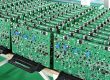
What is Low Volume PCB Assembly?
Low volume PCB assembly involves the production of a limited number of PCBs, usually ranging from a few units to a few hundred units. This type of assembly is ideal for companies that need to test and validate new designs, produce custom or specialized products, or fulfill small orders. Low volume PCB assembly allows manufacturers to produce high-quality PCBs without the need for large-scale production runs.
Low Volume PCB Assembly
WDX offers low volume PCB assembly for our customers. Our price structure makes your purchase of low-volume PCBs the most satisfied one. Pls Send your PCB files and Bom list to sales@pcbwdx.com, Estimate total cost now!
In today’s rapidly evolving electronics industry, the demand for low volume PCB assembly has surged. Businesses of all sizes require flexibility and speed to bring their innovative products to market without the financial burden of large-scale production. At WDX, we specialize in providing complete solutions for low volume PCB assembly, ensuring that our clients receive the best quality, competitive pricing, and exceptional service. In this article, we’ll explore the importance of low volume PCB assembly and highlight how WDX stands out in this field.
Understanding Low Volume PCB Assembly
Low volume PCB assembly refers to the manufacturing of printed circuit boards in smaller quantities, typically ranging from a few dozen to a few thousand units. This approach is vital for various reasons:
• Prototyping: It allows companies to test new designs and gather feedback before committing to larger production runs.
• Niche Products: Certain applications require specialized PCBs that do not have mass market appeal, making low volume production a practical solution.
• Rapid Market Testing: Businesses can quickly gauge customer interest and make necessary adjustments to their products.
Why Choose WDX for Low Volume PCB Assembly?
1. Competitive Pricing
At WDX, we understand the budget constraints that many companies face, especially startups and SMEs. Our pricing structure is designed to be competitive while maintaining the highest standards of quality. We aim to provide the best value for your investment, ensuring that you can produce high-quality PCBs without overspending.
2. High Quality
Quality is importent in electronics manufacturing, and at WDX, we pride ourselves on delivering top-notch products. With nearly 20 years of experience in the PCB industry, we have refined our processes to ensure consistent quality in every batch. Our production methods are backed by industry best practices, ensuring that each PCB meets rigorous performance and reliability standards.
3. Certifications You Can Trust
WDX is committed to adhering to international quality standards. We hold various relevant certifications, including ISO9001, ISO14001, and UL certification. These certifications demonstrate our dedication to quality management and environmental responsibility, giving our clients confidence in the reliability of our products.
4. Stable Supply Chain
A stable supply chain is crucial for efficient production. At WDX, we have developed strong relationships with trusted suppliers, ensuring that we can source high-quality materials consistently. This stability allows us to control the production process effectively, from sourcing components to manufacturing and assembly. By maintaining a robust supply chain, we minimize delays and ensure that your orders are completed on time.
5. Excellent Service
Customer satisfaction is at the heart of our operations. Our dedicated team is committed to providing exceptional service throughout your project. From the initial inquiry to delivery, we work closely with you to understand your specific needs and ensure that we meet them. Our account managers are always available to address any questions or concerns you may have, providing personalized support that sets us apart.
6. Reliable Delivery Times
In the world of electronics, timing is everything. At WDX, we understand the importance of meeting deadlines. Our streamlined production processes and effective project management allow us to provide stable delivery times. Whether you need prototypes quickly or small production runs, we ensure that your orders are completed and shipped on schedule.
Industries That Benefit from Low Volume PCB Assembly
Small volume PCB assembly serves a diverse range of industries, including:
• Consumer Electronics: Startups and established companies can produce prototypes and test new products in small quantities before scaling up.
• Medical Devices: The medical field often requires customized PCBs for specialized equipment, making low volume assembly ideal for regulatory compliance.
• Automotive Technology: As automotive technologies evolve, low volume PCB assembly enables quick adaptation and prototyping of new systems.
• Industrial Automation: Manufacturers can refine designs through low volume production, ensuring optimal performance and reliability in critical applications.

Our Advantages: No Minimum Order Quantity
We offer our customers the flexibility to place orders without any minimum quantity restrictions. This means you can order as per your exact requirements, whether it's a small or large quantity.
Advantages of Low Volume PCB Assembly
Flexibility: One of the primary benefits of low volume PCB assembly is flexibility. Manufacturers can quickly adjust designs, make modifications, and implement changes without the constraints of large production runs. This flexibility is particularly valuable during the prototyping phase, where design iterations are common.
Cost-Effectiveness: Low volume PCB assembly can be cost-effective for small batch production. By producing only the required quantity of PCBs, companies can avoid the high costs associated with large-scale production. Additionally, low volume assembly allows for better resource allocation and reduces the risk of excess inventory.
Quick Turnaround: Low volume PCB assembly offers faster turnaround times compared to high volume production. This is especially important for companies looking to bring new products to market quickly. Rapid prototyping and small batch production enable faster testing, validation, and refinement of designs.
Customization: Low volume PCB assembly allows for greater customization and personalization of products. Companies can produce specialized PCBs tailored to specific applications or customer requirements. This level of customization is often not feasible with high volume production.
The Low Volume PCB Assembly Process
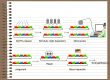
The low volume PCB assembly process typically involves several key steps:
Design and Documentation: The first step in the low volume PCB assembly process is the creation of detailed design files and documentation. This includes schematic diagrams, bills of materials (BOMs), and assembly drawings. Accurate and comprehensive documentation is essential to ensure that the assembly process meets the required specifications.
Component Sourcing: Once the design is finalized, the next step is to source the necessary components and materials. This may involve working with multiple suppliers to obtain the required parts. For low volume assembly, it is important to select reliable suppliers that can provide high-quality components in small quantities.
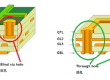
PCB Fabrication: The PCB fabrication process involves the production of the bare PCBs based on the design files. This includes processes such as etching, drilling, and plating to create the necessary circuitry and connections. For low volume assembly, manufacturers may use specialized equipment and techniques to produce small batches of PCBs efficiently.
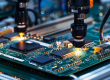
Assembly and Soldering: After the PCBs are fabricated, the next step is to assemble and solder the electronic components onto the boards. This can be done using surface mount technology (SMT), through-hole technology (THT), or a combination of both. The assembly process may involve manual or automated placement of components, followed by soldering to secure the components to the PCB.
Inspection and Testing: Once the assembly is complete, the PCBs undergo inspection and testing to ensure that they meet the required quality standards. This includes visual inspection, automated optical inspection (AOI), in-circuit testing (ICT), and functional testing. These tests help identify any defects or issues with the assembly, such as soldering defects, misaligned components, or electrical faults.
Packaging and Delivery: After inspection and testing, the assembled PCBs are packaged and prepared for delivery to the customer. Proper packaging is essential to protect the PCBs during transit and ensure that they arrive in good condition.
Considerations for Low Volume PCB Assembly
Design for Manufacturability (DFM): DFM is an important consideration in low volume PCB assembly. This involves designing the PCB and selecting components in a way that facilitates efficient and cost-effective assembly. DFM considerations include component placement, pad design, and solder mask layout.
Quality Control: Quality control is essential in low volume PCB assembly to ensure that the final product meets the required standards. This includes implementing rigorous inspection and testing processes, as well as maintaining strict control over the assembly environment and equipment.
Supplier Relationships: Building strong relationships with reliable suppliers is crucial for low volume PCB assembly. This ensures a consistent supply of high-quality components and materials, as well as timely delivery of parts.
Cost Management: Managing costs is important in low volume PCB assembly to ensure that the production process remains cost-effective. This includes optimizing the use of materials, minimizing waste, and negotiating favorable terms with suppliers.
Conclusion
Low volume PCB assembly offers a range of benefits for companies looking to produce small quantities of high-quality PCBs. By providing flexibility, cost-effectiveness, quick turnaround times, and customization options, low volume PCB assembly is an ideal solution for prototyping, small batch production, and specialized applications. By understanding the key steps, methods, and considerations involved in low volume PCB assembly, businesses can ensure the successful production of reliable and functional electronic devices.