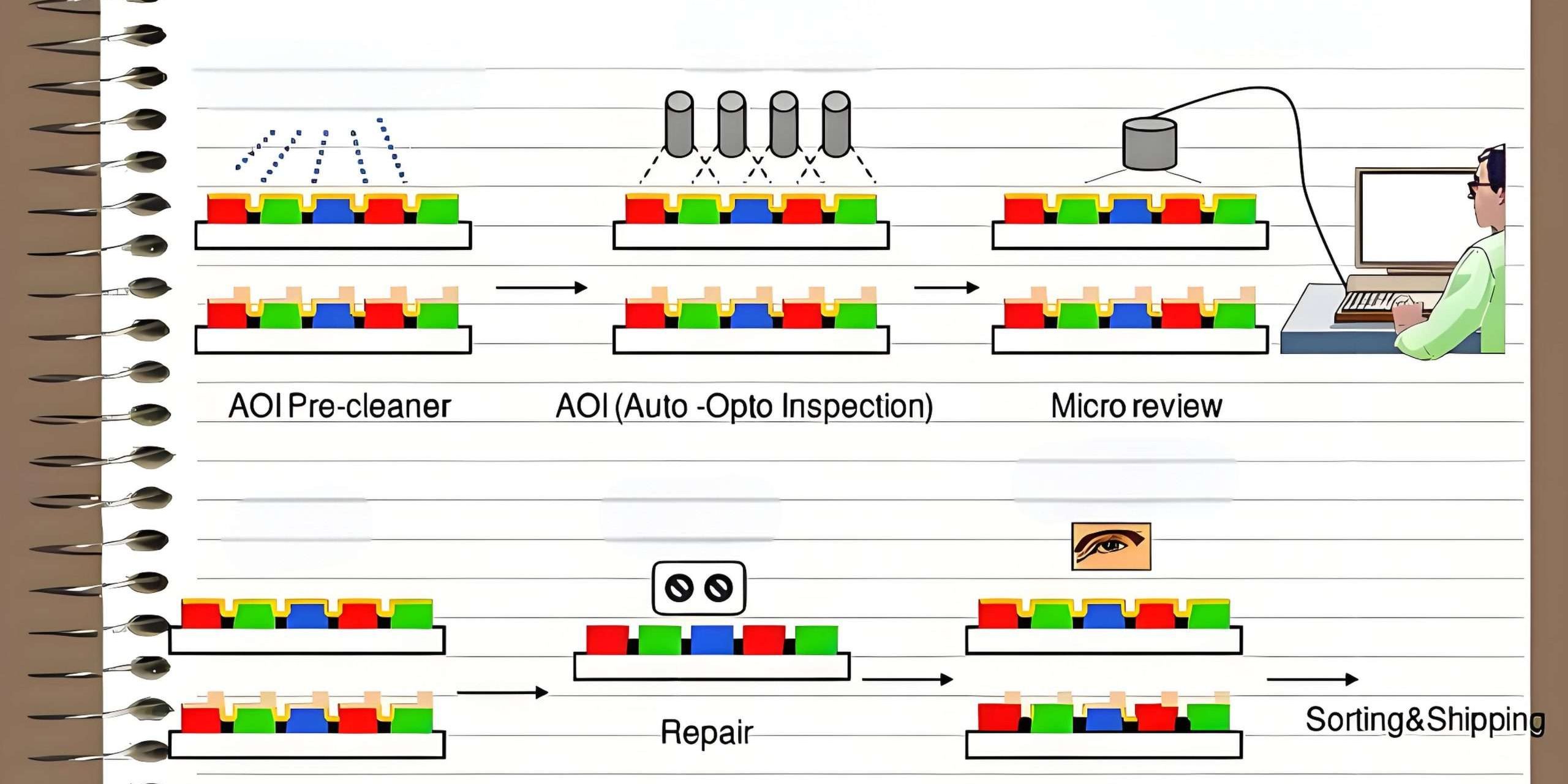
Automated Optical Inspection (AOI): A Comprehensive Guide
Introduction
WDX has Advanced Automated Optical Inspection (AOI) Systems, Pls Send your PCB files and Bom list to sales@pcbwdx.com, Estimate total cost now!
As electronics manufacturing becomes increasingly complex, the need for precise and efficient quality control has grown dramatically. Traditional manual inspections can no longer meet the demands of modern production lines, where even the smallest defect can compromise product reliability. Automated Optical Inspection (AOI) technology has emerged as a game-changer, offering high-speed, high-accuracy defect detection. In this article, we will explore AOI technology in detail, its role in the PCB industry, and how WDX leverages state-of-the-art AOI systems to deliver superior products and services.
- What is Automated Optical Inspection (AOI)?
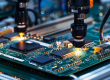
Automated Optical Inspection (AOI) is a visual inspection method used in electronics manufacturing to detect defects in printed circuit boards (PCBs). AOI systems use high-resolution cameras and advanced software algorithms to scan boards for soldering defects, missing components, and misalignments. By automating the inspection process, AOI offers a fast and highly reliable way to identify production errors and ensure product quality.
- How AOI Works
The AOI process involves several key steps:
- Image Capture: High-speed cameras take detailed images of the PCB.
- Image Processing: Specialized software compares the captured images with pre-defined templates or reference models to identify discrepancies.
- Defect Detection: The system flags any abnormalities such as missing components, solder bridges, or misplaced parts.
- Report Generation: The system generates detailed reports indicating the type and location of defects for further analysis and correction.
- AOI Applications in PCB Manufacturing
AOI technology is used across various stages of PCB manufacturing, including:
- Pre-Reflow Inspection: Detects issues like missing or misplaced components before soldering.
- Post-Reflow Inspection: Verifies the quality of solder joints and identifies defects such as cold solder and bridging after the reflow process.
- Final Inspection: Checks assembled boards for mechanical defects, ensuring they meet design specifications.
4. WDX and Its Advanced AOI Systems
With 19 years of experience in the PCB industry, WDX has built a reputation for providing high-quality and fast-turnaround services. To maintain the highest standards of product quality, WDX has invested in cutting-edge AOI systems across its production lines.
Key Features of WDX’s AOI Equipment:
- High Precision Detection: WDX’s AOI machines use advanced optical sensors capable of identifying defects at the micron level, ensuring accuracy and minimizing false positives.
- AI-Powered Algorithms: The AOI systems at WDX employ machine learning algorithms that continuously improve over time, adapting to new product designs and manufacturing variations.
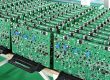
- High-Speed Inspection: Capable of inspecting dozens of PCBs per minute, WDX’s AOI equipment supports high-volume production without compromising quality.
- Versatile Compatibility: The AOI systems handle various PCB types, including multi-layer, rigid-flex, and high-density interconnect (HDI) boards.
By integrating state-of-the-art AOI technology into its manufacturing process, WDX ensures that all products meet stringent international standards, including ISO9001, ISO14001, and UL certifications. This not only boosts production efficiency but also helps customers reduce lead times and lower their overall costs.
- Advantages of AOI Technology
Compared to traditional manual inspections, AOI technology offers several significant benefits:
- Speed and Efficiency: Automated inspection is faster and more reliable, meeting the demands of mass production.
- Non-Contact Inspection: AOI avoids physical contact with the board, reducing the risk of contamination or damage.
- Accurate Traceability: Detailed reports enable complete product traceability, facilitating continuous improvement and defect analysis.
- Reduced Labor Costs: AOI minimizes the need for manual inspection, reducing labor costs and human error.
6. How WDX Uses AOI to Enhance Customer Satisfaction
At WDX, AOI plays a crucial role in maintaining product quality and ensuring customer satisfaction. By incorporating automated inspection systems at multiple stages of production, WDX not only ensures defect-free PCBs but also provides clients with detailed quality reports for every batch.
The company offers customized AOI solutions tailored to the unique needs of each customer. Whether it’s a prototype or large-scale production, WDX’s experienced engineering team collaborates with clients to develop optimal inspection parameters. This proactive approach minimizes the risk of defects and improves first-pass yield, contributing to shorter delivery times and cost savings.
Thanks to its commitment to quality, WDX has become a trusted partner for clients around the globe, meeting the growing demand for high-quality PCBs in industries such as telecommunications, automotive, and consumer electronics.
- The Future of AOI in the PCB Industry
As electronics manufacturing continues to evolve, AOI technology will play an even more critical role. Future advancements in AOI are expected to include:
- 3D AOI Systems: Offering deeper insights by capturing three-dimensional images of components and solder joints.
- Integration with Industry 4.0: AOI systems will become more connected, feeding real-time data into smart manufacturing systems for predictive maintenance and process optimization.
- Enhanced AI Capabilities: Advanced AI algorithms will further reduce false positives, making defect detection faster and more accurate.
WDX is committed to staying at the forefront of these innovations, continuously upgrading its AOI systems to meet the evolving needs of its customers.
About WDX
WDX is a leading PCB manufacturer based in Shenzhen, China, with 19 years of experience in the field. The company holds ISO9001, ISO14001, and UL certifications and is known for its high-quality products, fast delivery, and exceptional customer service. WDX’s mission is to help customers achieve their goals through innovative solutions and world-class manufacturing processes.
1. Introduction to Automated Optical Inspection (AOI)
- Define AOI and its role in the PCB assembly process.
- Explain how AOI complements manual inspections and improves quality control.
2. The Importance of AOI in PCB Manufacturing
- Discuss the significance of AOI in identifying defects that could lead to assembly or functional issues.
- Explain how AOI helps maintain high standards of quality in the electronics industry.
3. AOI Technology and Process
- Describe how AOI technology works, including the use of high-resolution cameras and advanced image processing software.
- Outline the typical AOI process, from inspection setup to defect detection and reporting.
4. Common Defects Detected by AOI
- List common PCB assembly defects that AOI systems are designed to identify, such as missing components, incorrect orientation, or solder issues.
- Discuss how AOI can detect these defects more reliably and consistently than human inspectors.
5. Integration of AOI in the Manufacturing Workflow
- Explain how AOI systems are integrated into the PCB assembly line and how they interact with other manufacturing processes.
- Discuss the impact of real-time AOI feedback on production efficiency and defect rate reduction.
6. Advantages of Using AOI
- Highlight the benefits of automated optical inspection, including increased accuracy, reduced manual labor, and improved traceability.
- Discuss how AOI contributes to cost savings and improved customer satisfaction.
7. Challenges and Future Developments in AOI
- Identify potential challenges in using AOI, such as keeping up with miniaturization trends or avoiding false positives.
- Explore future developments in AOI technology, including advancements in machine learning and predictive analytics.
8. In summary
Automated Optical Inspection (AOI) technology has revolutionized quality control in the PCB industry. It ensures faster, more accurate inspections while reducing labor costs and minimizing human error. By adopting advanced AOI systems, WDX delivers high-quality PCBs with rapid turnaround times, reinforcing our position as a leader in the field.
With 20 years of industry experience and cutting-edge AOI capabilities, WDX is dedicated to helping its clients succeed by providing superior products and services. As the industry embraces new technologies, WDX will continue to invest in AOI and other innovations to maintain its competitive edge.
Whether you’re seeking reliable, high-quality PCBs or want to optimize your supply chain, WDX is your ideal partner, committed to delivering the best solutions with unparalleled precision and efficiency.
- Summarize the key points about AOI and its critical role in ensuring PCB assembly quality.
- Emphasize the importance of staying updated with the latest AOI technologies for manufacturers aiming to compete in the global market.